If you searched for AutoLinkRush alternatives, you probably already suspect something. A tool that promises thousands of backlinks for $3 to $15 sounds too good, and it is. The good news is that the problems AutoLinkRush claims to solve, getting pages indexed and building authority, both have better answers. Most of them are free. None of them require a bulk ping service.
This guide walks through what AutoLinkRush actually does, what to look for in a replacement, seven practical alternatives ranked by effort and payoff, the tools that make each one easier, and how to measure whether any of it is working. Pick the parts that match your goal and skip the rest.
What AutoLinkRush does, in plain terms
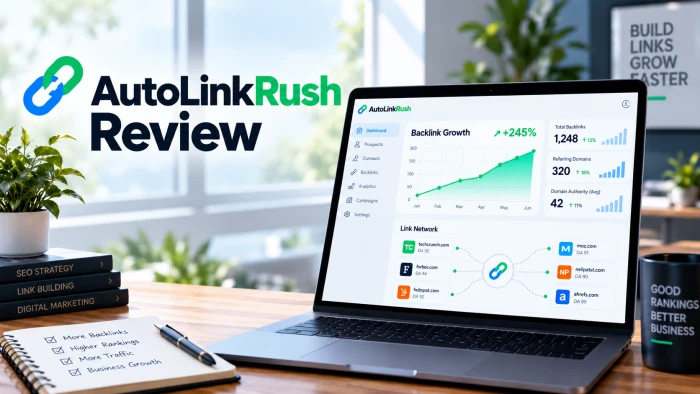
AutoLinkRush is a browser tool. You paste a URL, enter a keyword, and it submits your page to a long list of ping and bookmarking services. The dashboard then shows those submission URLs as "backlinks."
Most of those links live on auto-generated pages that Google rarely indexes. Your keyword is repeated as the anchor text on every one of them. The tool may help a crawler notice a new page slightly sooner, but it does not move rankings on any keyword with real competition.
For a full breakdown of pricing, the conflicting backlink numbers on the site, and what users actually receive, read our AutoLinkRush review. The short version: it is a cheap ping utility sold as a link building tool.
Why automated backlink tools fall short
Three reasons, and they apply to every tool in this category, not just AutoLinkRush.
Google names this behaviour as spam. Google's spam policies list using automated programs to create links, buying links that pass ranking credit, and low-quality directory or bookmark links as examples of link spam. The usual result is that the links are ignored. On a commercial site that already ranks, a manufactured anchor profile can do mild harm.
Most of the links cannot be crawled or counted. Google's link best practices explain that a link needs to be a proper anchor element on a page Google can crawl and index. Ping pages often fail both tests.
They solve the wrong problem. If a page is not indexed, the cause is almost always on your own site: a noindex tag, a bad canonical, no internal links, or thin content. If a page is not ranking, the cause is a lack of relevant editorial links and content worth citing. A ping service fixes neither.
What to look for in an alternative
Before picking a method, decide which goal you actually have. The two are often confused.
| Your goal | What actually works | What does not |
|---|---|---|
| Get a page indexed | Search Console, internal links, fixing technical blockers | Ping services |
| Build authority and rankings | Editorial links from relevant sites | Bulk links, footer links, do-follow paid placements |
| Referral traffic and brand exposure | Disclosed sponsored placements, PR, guest content | Links no human will ever see |
A good alternative should pass four checks: a human chose to place the link, the page is relevant to your topic, the page is indexed, and the anchor text reads naturally. Ten links that pass all four are worth more than ten thousand that pass none.
7 better ways to build backlinks
1. Fix indexing with Google Search Console (free)
If indexing was your real reason for trying AutoLinkRush, start here. Google Search Console lets you submit a sitemap and request indexing for individual URLs through URL Inspection. It is Google's own front door and it costs nothing.
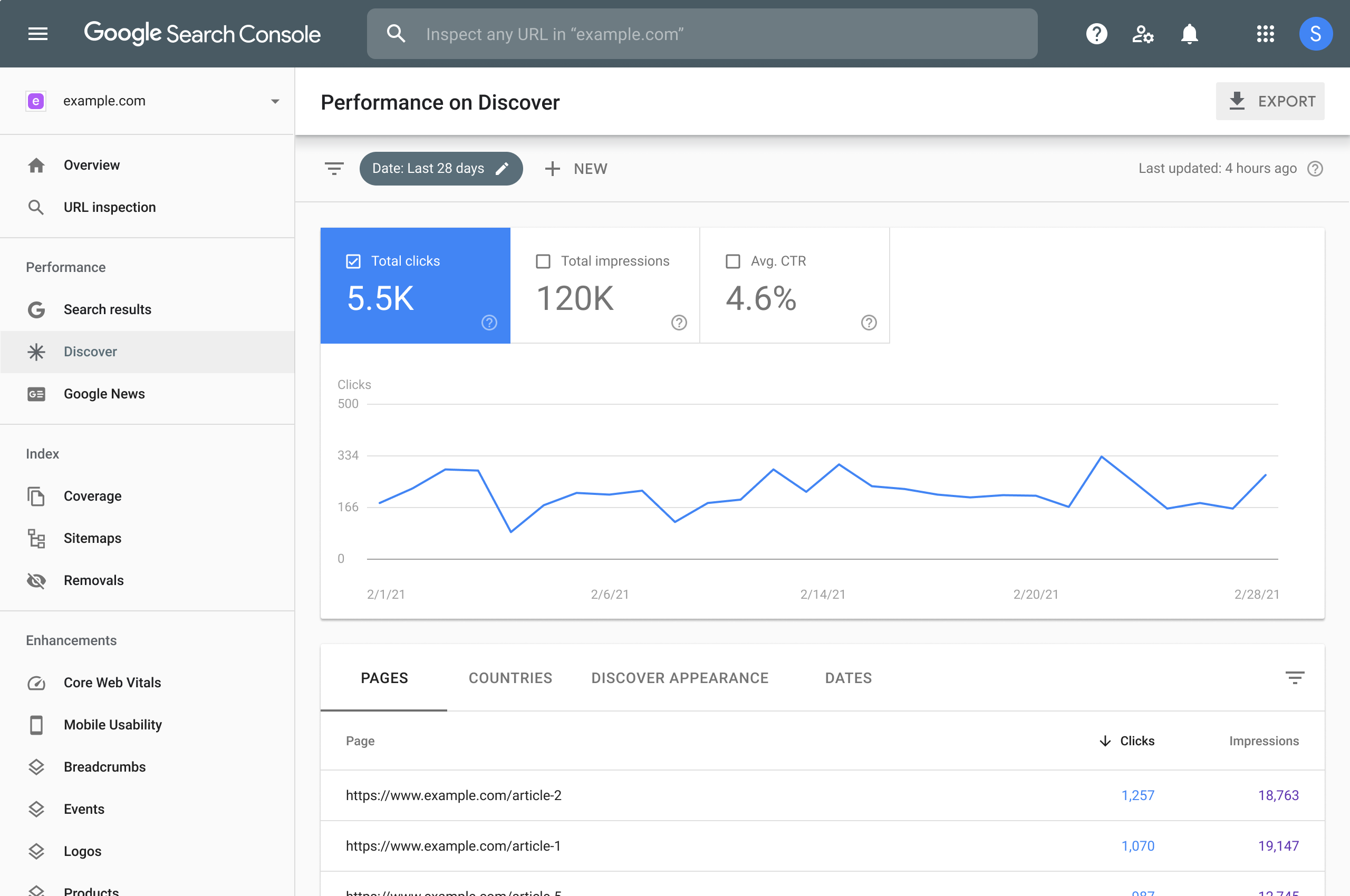
While you are there, check the Pages report for anything marked "Excluded" or "Crawled, currently not indexed." Those labels usually point to the actual blocker.
Best for: new pages, new sites, anything stuck in discovery.
Effort: 10 minutes.
2. Add internal links from your strongest pages
Three links from your best-performing pages do more for discovery and rankings than any ping campaign. Internal links pass authority you already own, help Google understand what the new page is about, and keep readers on your site longer.
Find your top pages in Search Console or your analytics tool, then add a contextual link to the new page from each one. Use descriptive anchor text, not "click here."
Best for: every site, every page.
Effort: 20 minutes per page.
3. Guest posts on sites in your real niche
A guest post on a relevant site, with editorial review and a natural link, is still one of the most reliable ways to earn authority. The key word is relevant. A link from a casino blog does nothing for a SaaS company except make the backlink profile look odd.
How to do it well:
- Target sites your customers actually read, not sites with a "write for us" page and nothing else.
- Pitch a specific topic that fills a gap in their content.
- Write something you would be proud to publish on your own site.
- Accept whatever link attribute the publisher uses. One real reader is worth more than a do-follow tag.
To find targets, run a competitor's domain through Ahrefs or Semrush and look at which sites already publish contributed content in your space.
Best for: B2B, SaaS, professional services.
Effort: 4 to 8 hours per post.
4. Digital PR and journalist requests
Journalists and bloggers need expert quotes every day. Platforms such as Qwoted, Featured, Help a B2B Writer, and Source of Sources connect you with those requests. One quote in a trade publication beats a thousand automated pings, and the link comes with real readers attached.
Tips that improve your hit rate:
- Answer within a few hours. Most requests close fast.
- Give a specific, quotable answer in three to five sentences.
- Include a one-line bio with your role and company.
- Only respond to requests where you have real expertise.
Best for: founders, consultants, anyone with a credible point of view.
Effort: 15 minutes per pitch, ongoing.
5. Create something people have a reason to cite
Writers link to things that make their own articles stronger. Original data, benchmarks, calculators, templates, and clear definitions all earn links without outreach because they are useful.
You do not need a big budget. A short survey of your customers, a scraped dataset from public sources, or a comparison of 20 tools you tested yourself all qualify. Publish the findings with clean charts and a summary that is easy to quote.
Best for: content-led businesses, anyone with access to unique data.
Effort: 1 to 3 days, then it earns links for years.
6. Unlinked mentions and broken link outreach
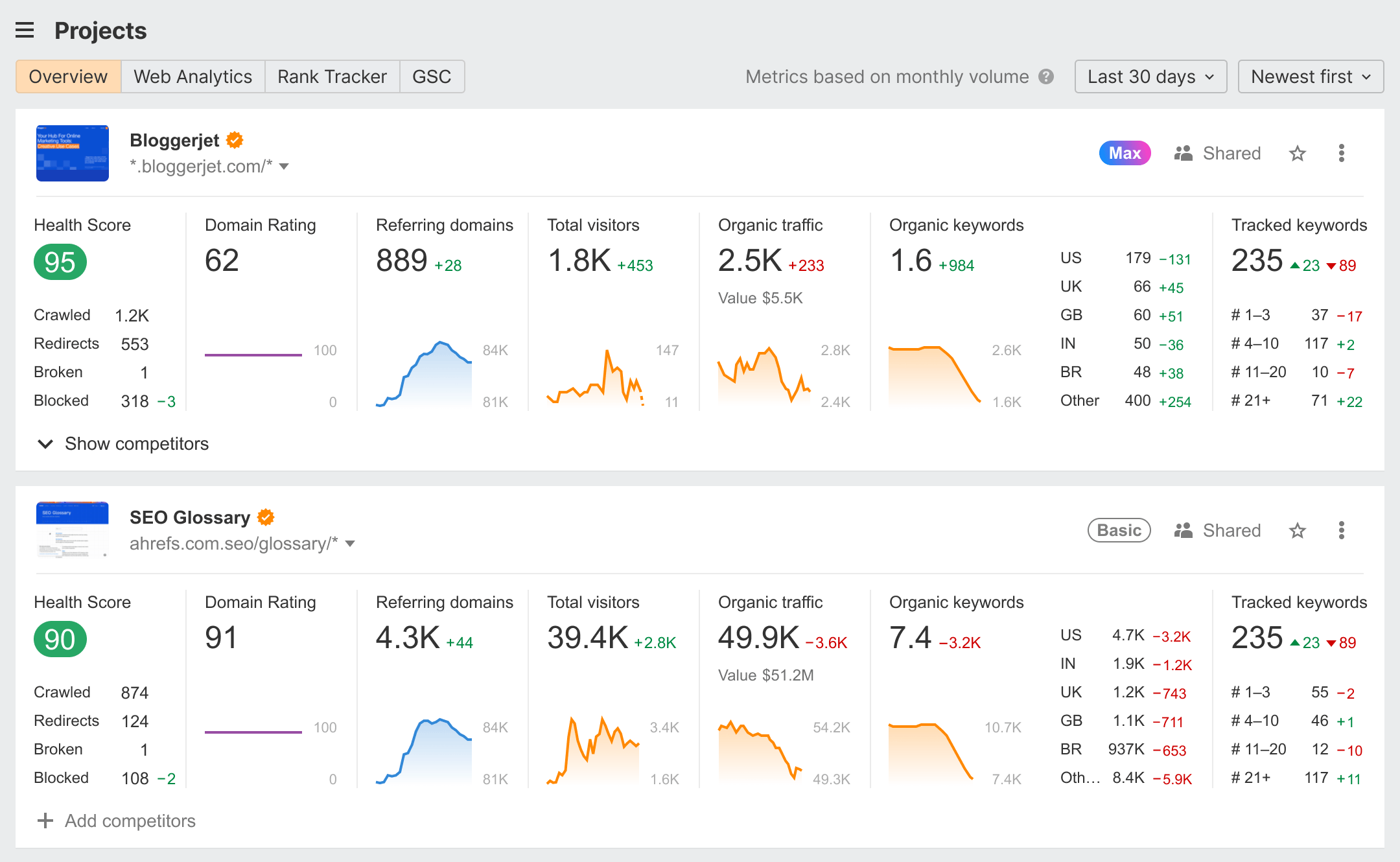
Both methods start with a backlink tool such as Ahrefs or Semrush.
Unlinked mentions: search for pages that mention your brand name without linking to it. Ahrefs Content Explorer and Semrush Brand Monitoring both surface these, and a free Google Alert for your brand name catches new ones as they appear. Email the author, thank them, and ask if they would add a link. Conversion rates on these are high because the writer already knows you.
Broken links: find pages in your niche that link to dead resources. Create or identify a replacement on your site, then let the site owner know their link is broken and offer yours. You are doing them a favour, which is why it works. Hunter helps you find the right email address, and BuzzStream keeps track of who you contacted and when.
Best for: established brands with some existing mentions.
Effort: 1 to 2 hours per week.
7. Paid placements done the compliant way
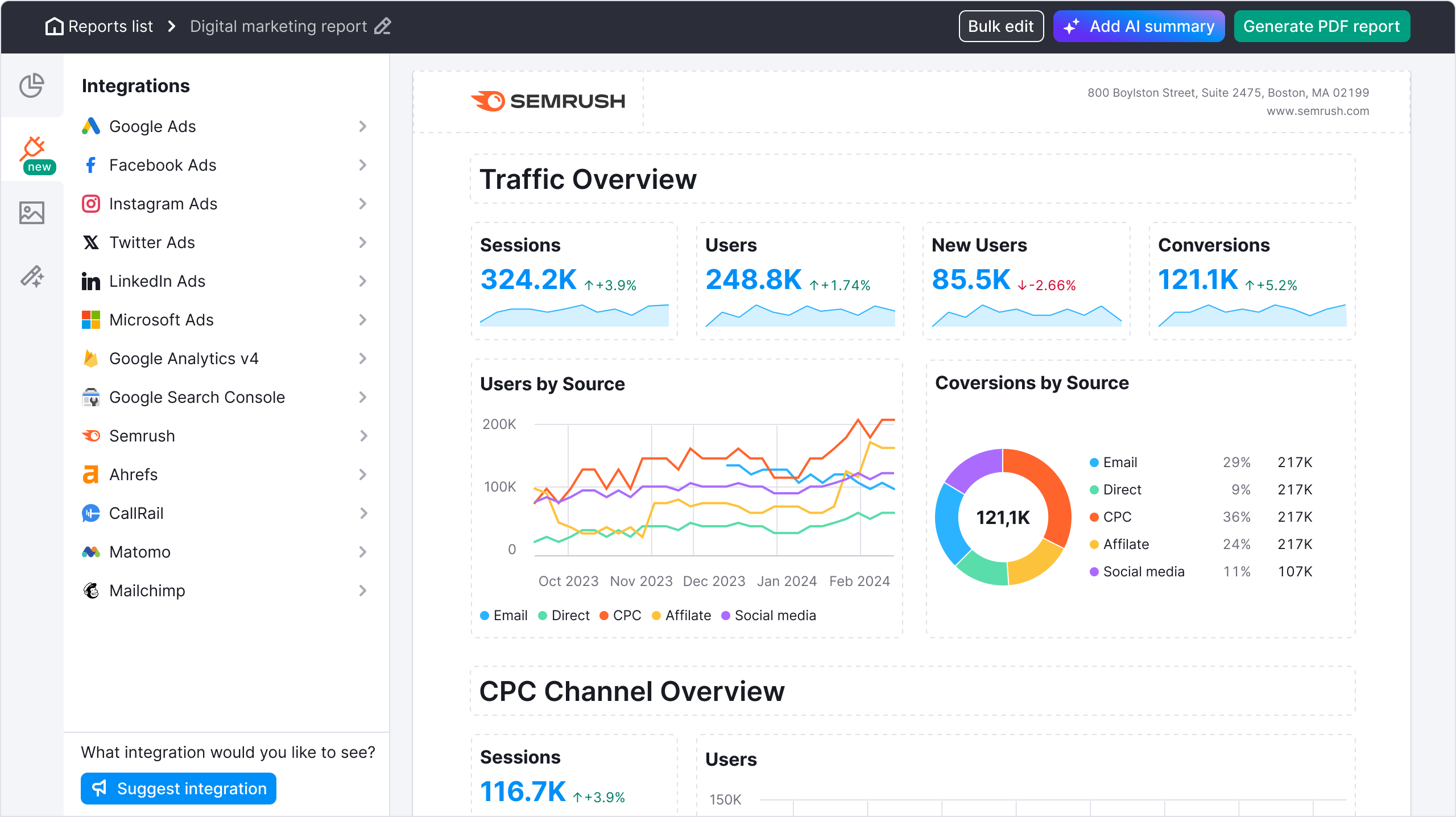
Paying for a placement is not automatically against the rules. What matters is disclosure. Google's guidance says paid links should carry a rel="sponsored" or rel="nofollow" attribute. Done this way, a sponsored post on a relevant site still delivers referral traffic, brand awareness, and a mention in front of the right audience.
What AutoLinkRush sells, do-follow and footer placements across unrelated sites, is the version Google specifically treats as a scheme. Avoid that. If you buy placements, buy them on sites your customers read, mark them as sponsored, and treat them as advertising rather than SEO.
Best for: brands with a marketing budget and a clear target audience.
Effort: depends on budget.
The tools that make these methods easier
None of the methods above require software, but the right tools cut the time in half. Here is what each one actually does and when it is worth paying for.
Google Search Console (free)
The only tool that shows you what Google sees. Use it to submit sitemaps, request indexing, check which pages are excluded and why, track which queries bring impressions and clicks, and review your external links under the Links report. Every site should have this connected before spending a dollar elsewhere.
Ahrefs (paid, free Webmaster Tools tier for your own verified sites)
The most complete backlink database on the market. Site Explorer shows every referring domain pointing at any site, so you can see exactly where competitors earned their links. Content Explorer finds pages that mention your brand without linking. The broken link filter inside Site Explorer surfaces dead outbound links on target sites. If you can afford only one paid SEO tool, this is the one most link builders pick.
Semrush (paid, limited free tier)
A broader marketing suite with a strong backlink toolkit. Backlink Gap compares your referring domains against up to four competitors and lists the sites linking to them but not to you. Brand Monitoring flags unlinked mentions. The Link Building Tool manages outreach from inside the platform. A good choice if you also need keyword research, rank tracking, and site audits under one subscription.
Qwoted (free tier, paid Pro plan)
A journalist request platform with the highest volume of daily queries. Set up topic tags matching your expertise and you receive alerts when a reporter needs a source. Requests skew toward consumer, lifestyle, and business outlets. Keep pitches short and answer early in the day.
Featured (free tier, paid plans)
Experts answer questions posted by publishers, and the best answers are compiled into articles. Strong for B2B and SaaS topics. Featured also acquired HARO, so some of the requests that used to go through HARO now flow here.
Help a B2B Writer (free)
A newsletter-style service run by the Superpath content community. Writers at B2B blogs, agencies, and software companies post requests for expert quotes, and you reply directly by email. Lower volume than Qwoted, but highly relevant if your customers are businesses.
Source of Sources (free)
Launched by HARO's original founder after HARO changed hands. Works like the classic HARO email digest: requests arrive by email a few times a day, grouped by category, and you reply to the writer directly.
Hunter (free tier, paid plans)
Finds and verifies email addresses for any domain. Essential for broken link and unlinked mention outreach, where the hardest part is reaching the actual editor instead of a contact form.
BuzzStream (paid)
An outreach CRM built for link building. It stores contacts, tracks every email thread, schedules follow-ups, and reports on reply and placement rates. Worth it once you are sending more than 20 outreach emails a week.
Google Alerts (free)
Set one alert for your brand name and one for your founder's name. Every new mention lands in your inbox, and a quick check tells you whether it includes a link. The cheapest unlinked mention finder available.
How to vet a link before you build it
Every method above produces opportunities. Not every opportunity is worth taking. Run each candidate site through this checklist before you pitch, write, or pay.
- Does the site have real organic traffic? Check it in Ahrefs or Semrush. A site with zero organic visitors has zero readers, and a link nobody sees rarely passes meaningful value.
- Is the topic actually related to yours? A link from a site about accounting software is worth more to a finance SaaS than a link from a general "business" blog that covers everything.
- Who else do they link to? Open three recent posts and look at the outbound links. If you see casino, payday loan, or pharmacy links next to legitimate content, the site is selling links indiscriminately. Walk away.
- Does the content look written for people? Thin, generic articles with a link stuffed into every paragraph are a sign the site exists only to sell placements.
- Is the page indexed? Search
site:plus the URL. If Google has not indexed the page, the link counts for nothing, which is the same problem AutoLinkRush has. - Is the anchor text natural? Ask for a branded or descriptive anchor, not your exact target keyword. A profile full of exact-match anchors is what gets discounted.
If a site fails two or more of these, skip it. There are always more candidates.
How to measure whether your links are working
The dashboard counter in AutoLinkRush is designed to make you feel productive. Replace it with numbers that actually relate to growth.
Track referring domains, not total links. A hundred links from one site is one vote. Ten links from ten sites is ten votes. Ahrefs, Semrush, and the Links report in Search Console all show referring domains. Record the number monthly.
Watch impressions and clicks in Search Console. Links should eventually move the needle on queries you care about. Filter the Performance report to your target pages and compare the last three months against the previous three.
Monitor rankings for a short list of keywords. Pick five to ten keywords that matter commercially and track them weekly. Any rank tracker works, including the ones built into Ahrefs and Semrush. Expect a lag of four to twelve weeks between a new link and a ranking change.
Check referral traffic in your analytics tool. A link that sends visitors is a link that a human saw. Sort referral sources by sessions and note which placements actually bring people to the site.
Recheck your links at 30 and 90 days. Open each one. Is it still there, still clickable, still on an indexed page? Editorial links tend to stay. Ping pages and low-quality paid placements tend to vanish, which is one more reason they are not worth paying for.
Quick comparison
| Method | Cost | Time to results | Ranking value | Risk |
|---|---|---|---|---|
| AutoLinkRush | $0 to $15 | Instant (but no effect) | Close to zero | Low to moderate |
| Search Console + internal links | Free | Days | Indirect but real | None |
| Guest posts | Time | 1 to 3 months | High | Low if relevant |
| Digital PR | Time | 2 to 6 weeks | High | None |
| Linkable assets | Time | 1 to 6 months | Very high | None |
| Unlinked mentions / broken links | Tool subscription | 2 to 8 weeks | Medium to high | None |
| Compliant sponsored placements | Varies | Immediate traffic | Low (by design) | None if disclosed |
A simple 30-day plan
If you want a starting point rather than a menu, here is one.
Week 1: Submit your sitemap in Google Search Console. Request indexing for your five most important pages. Add three internal links to each of them. Set up a Google Alert for your brand name.
Week 2: Sign up for Qwoted and Help a B2B Writer. Answer every relevant request within a few hours.
Week 3: Pick one guest post target in your niche. Pitch a specific topic. Start a small data project, even a 10-question survey of your customers.
Week 4: Run your domain through Ahrefs or Semrush. Reclaim any unlinked mentions. Measure referring domains, not total links, and set a baseline for next month.
By the end of the month you will have a handful of real links, a clear picture of your backlink profile, and a process you can repeat. That is more than any bulk tool will ever give you.
Final word
AutoLinkRush is not dangerous so much as pointless. Every goal it promises has a free or cheaper route that actually works: Search Console and internal links for indexing, editorial mentions for authority, and disclosed sponsored placements for traffic. Spend the $15 on a month of a rank tracker instead, pick two methods from this list, and measure what they do. The boring answers still win.